

A Note Before You Read: This post contains personal reflections on mental health, self-harm, suicidal ideation, and suicide loss. If you or someone you know is struggling, please reach out for support. You can call or text the 988 Suicide and Crisis Lifeline anytime by dialing 988, or text HOME to 741741 to reach the Crisis Text Line. Both are available 24/7.
At Lifeskills, we believe every client’s story matters. What follows are Courteney’s own words — shared with her permission and in the hope that her journey offers comfort, courage, and connection to others who may be walking a similar path.
“A collection of reflections on my mental health journey over the years.” — Courteney V.
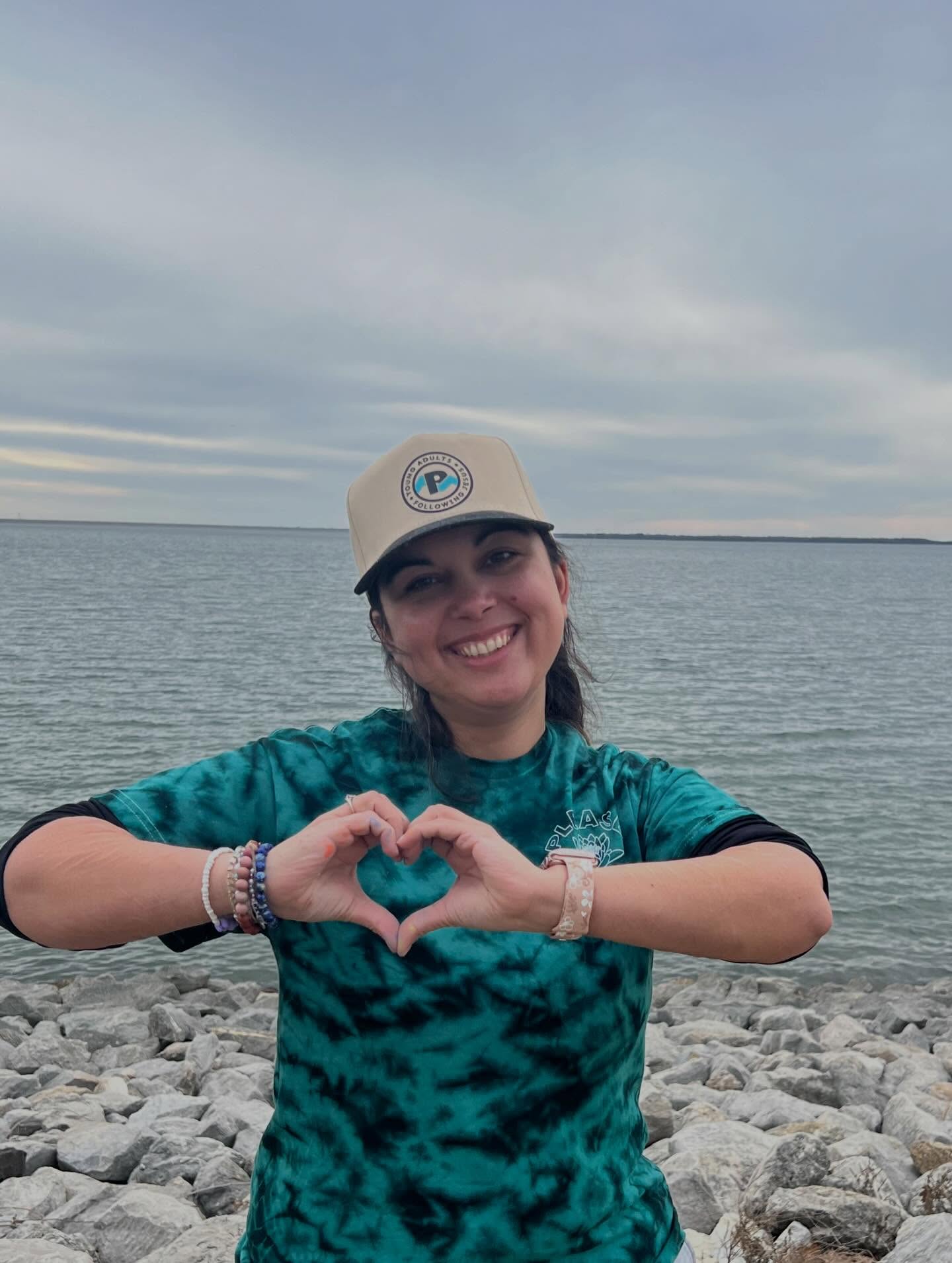
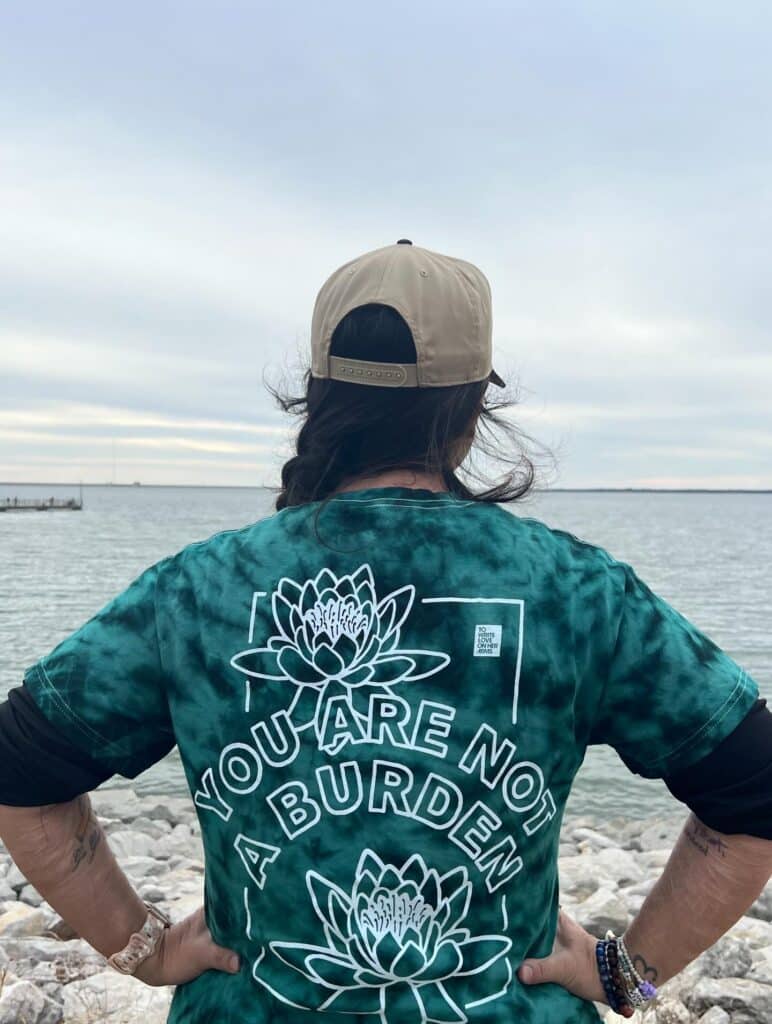
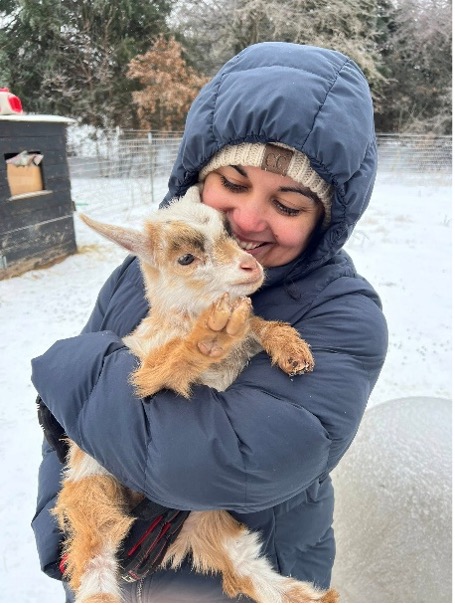
March 4, 2024
A day I will never forget. Two years ago, after 238 days at Lifeskills, I walked out of the treatment center that I firmly believe God used to save my life. On the back of the coin you receive at your coin-out are the words: “Our greatest glory is not in never falling, but in rising every time we fall.” — Confucius.
At the time, I didn’t fully understand how much those words would mean to me. Now I do.
I arrived at Lifeskills completely broken. Before that, I had spent an entire year in the state institution, witnessing and experiencing things so dark and unimaginable that most people could never begin to comprehend them. The trauma I carried felt suffocating. When the Governor of Alaska became involved to help get me out of there, months were spent trying to find a treatment center willing to take me. I remember sitting on that hard, cold floor, staring at gray walls, feeling hopeless as some of the top treatment centers in the country said I was “too severe”. I was told I “looked too bad on paper” and that I was too much of a “liability.”
Lifeskills wasn’t even sure they could help me — but they were willing to try. They gave me a chance. And that chance saved my life. They looked past the diagnoses, past the trauma, past everything written in my chart, and they saw ME. They refused to let what I had been through define who I was. Somehow, even at my very worst, they still believed in me. They had hope for me when I had none for myself. As Dr. Despina would always say, I’m not a victim — I’m a SURVIVOR. And while calling the past two years a fight would be an understatement, I recently celebrated two years self-harm free, and I’ve not returned to the state institution. That alone is a miracle.
I’m forever grateful to Dr. Despina, Dr. Mirella, Dani, and the countless others who poured into me, fought for me, and never stopped believing in me — not even for a second. Their faith in me carried me through when I didn’t have the strength to carry myself. All it took to begin changing my life was having people who refused to give up on me. People who helped me persevere through every setback, every tear, every trial. Recovery is possible. There is hope. As someone who once believed I’d never have a life worth living — someone who has seen some of the darkest places — I promise you: it gets better, and healing is real. We can rise. We do recover. And I am living proof.
January 17, 2024
Two years ago, on January 17, 2024, was the last time I turned to an addiction that had consumed me for over a decade. I don’t remember many details of that day, but I remember the look in my trauma therapist’s eyes so clearly. At that point, I was at Lifeskills, the only treatment center willing to accept me, as over 50 other treatment centers had turned me away, telling me I was too much of a “liability” and “incapable of help.”
After I self-harmed, I was sent to the psych hospital again. When I got back, I fully believed they’d give up on me — that I would hear, once again, what I had been told more times than I can count: that I was a “lost cause.”
Instead, I was met by Dr. Despina with a hug, kindness, and so much love.
I promised her that I’d make it to one year without self-harm. I doubted myself every single second. She never once doubted me. She fought like hell for me. She says I give her too much credit and that I did all the work, but it took her believing in me and never giving up on me for me to believe it was possible, too.
One year turned into TWO. And it hasn’t been easy. It’s been a fight every single day.
We all carry scars from our past — some are hidden, some are seen. Mine are visible, but they tell a story of God still redeeming. Someone once said that my physical wounds “signify my awareness of indescribable pain in a broken world.”
Because my scars are visible, people are often quick to judge me before I can even say a word. I look at my scars often and cry, because they remind me of what I’ve endured. At the same time, the fact that they’re physically healed shows me how far God has brought me — that despite the darkness I’ve faced and seen, there is still light.
They show a fight and a battle that most people will never understand.
They’ve taught me not to judge, because you never know what someone is going through — how hard they’ve had to fight, are fighting, or what they’ve faced or are facing.
While I’m not proud of the scars and am still working through guilt and shame surrounding them, I’m proud that they’re physically healed — and that for 731 days (as of 1/17/2026), I’ve fought to not add another one.
My story is heavily marked by suicide — my sister’s passing and my own suicidality — so I feel it’s important to also share the following.
January 1, 2008
I’ve never been afraid to talk about the things most people are afraid to talk about.
The night before my sister died by suicide, everything in me told me to call her. I was 12 years old, at a New Year’s Eve sleepover, and I put it off. I figured I’d do it later. Later was too late.
The biggest thing I’ve always wanted people to take away from this is simple: Tell people you love them. Tell people you’re thinking of them. Never take a moment for granted. If you think they already know — tell them again.
If someone you care about is struggling with suicidal thoughts, take the time to learn the warning signs. When people are struggling the most, they often can’t reach out because they don’t want to burden anyone. They isolate themselves in an effort not to hurt others — and that’s usually when they need people the most.
Reach out to us. We’re not intentionally trying to hurt you.
When someone who is suicidal does reach out, it often takes everything in them to do so. Reaching out can be as simple as a “hey.” Take people seriously. Don’t invalidate how they feel. In those moments that we spiral, we don’t need advice — we need to know and be reminded that we’re loved, that we’re not as awful as our minds have convinced us we are, and that someone is truly hearing us, not just listening. We’re in immense pain and truly believe that everyone would be better off without us. Remind us that’s not true.
You don’t know how many times a simple “I love you” text, an “I’m thinking of you” message, something to look forward to, someone inviting me to something, or sincere words written in a card have kept me here.
Let us find joy when we can and be understanding when we can’t. Know that we don’t expect you to fix us — but sitting with us in the dark and holding space does ease the suffering at times.
You never know when the last time you’ll see someone will be, or what someone is going through — so be kind ALWAYS. Sometimes a hug or a smile has kept me here a little longer.
Make people feel seen. Make people feel loved. Remind them often that they’re not as alone as they feel. Don’t just say you care — show it.
Grief after suicide loss is complex, and a pain I wouldn’t wish on my worst enemy. Grief has no timeline. In many ways, it gets harder as time passes. Hold space for people to talk about those they’ve lost. If you can’t understand, be SO thankful. Don’t judge.
Don’t wait until someone is gone to care. If someone needs to hear “I love you” a million times, I will gladly say it a million and one times, in five different ways — no matter what.
Mishell Amanda, I will never forget you, and I will never stop talking about you.
A Reflection on Perseverance
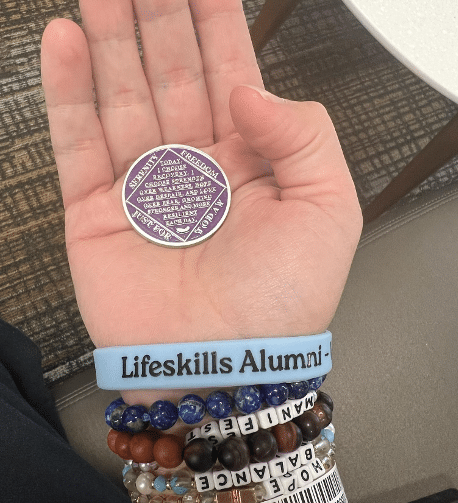
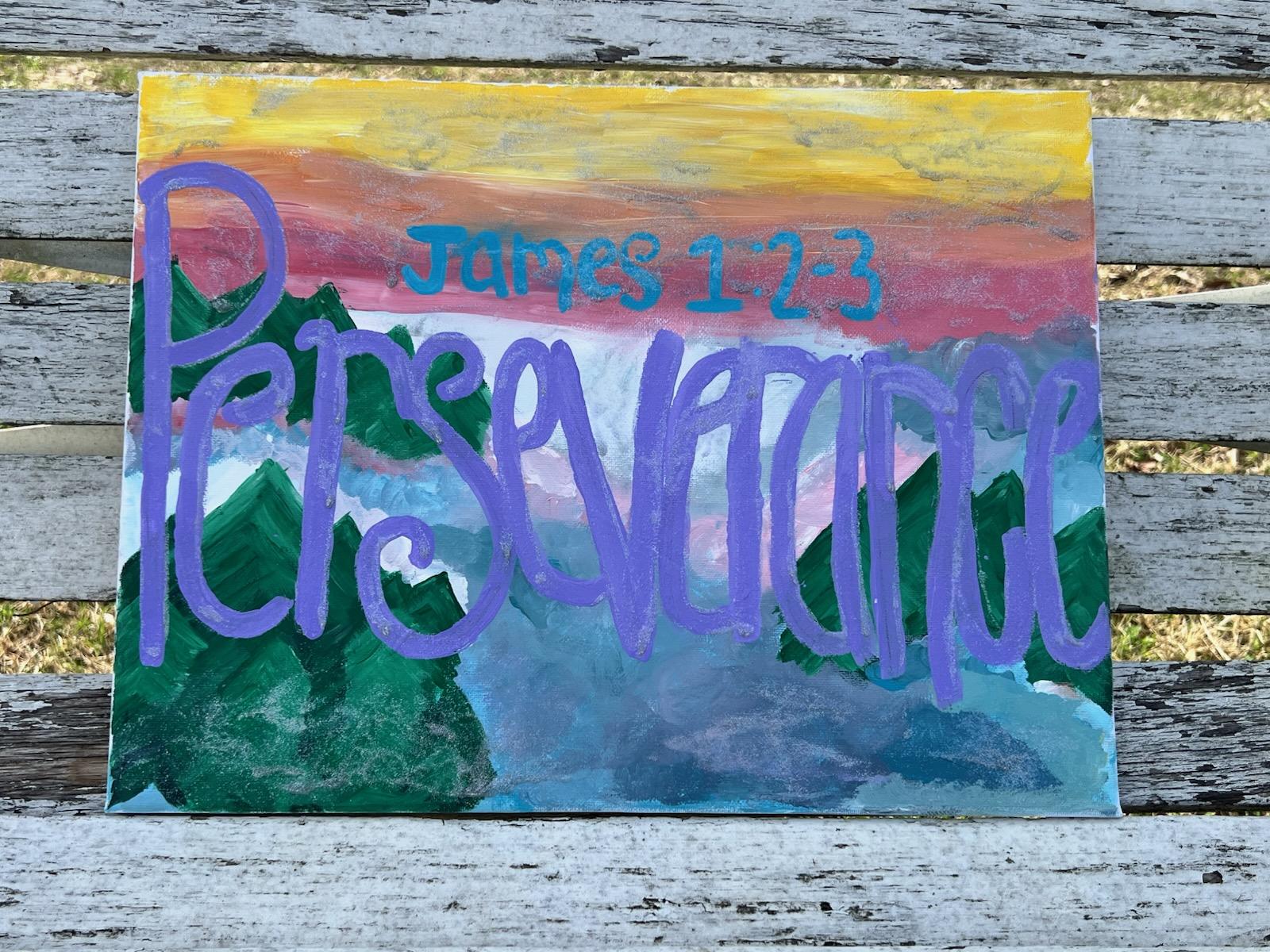
“Consider it pure joy, my brothers and sisters, whenever you face trials of many kinds, because you know that the testing of your faith produces perseverance.” — James 1:2–3
Perseverance — my word for the year. It means continuing to try and not giving up, even when something is difficult, painful, or takes a long time.
On Christmas, I was invited to get coffee with a sweet friend named Ashlyn Faith. Christmas Day is not an easy day for me. It was the last day I saw my beautiful sister alive. I ignored most Christmas texts, sitting deep in my grief, writing goodbye letters. I had planned for January 1 — the anniversary of my sister’s death — not expecting to still be here. At first, I told her I wasn’t sure I could be around people. The enemy attacked my mind heavily in my isolation. But in the end, I decided to go — and I’m so thankful I did.
We met on New Year’s Eve, a day I usually feel especially alone. While everyone is celebrating and making resolutions, I remember that night so clearly — feeling like I should call my sister, and I didn’t. On the way to meet me, she said the word God gave her for me was perseverance. I hadn’t planned on choosing a word for the year . . . because I didn’t expect to be here for it. But that word has followed me ever since, with confirmation after confirmation.
When I was admitted to the hospital and diagnosed with gastroparesis, the pastor who came to pray over me spoke about perseverance and referenced James 1.
Later, a card celebrating two years free from self-harm mentioned perseverance.
And the nurse who replaced my catheter — during some of the most intense physical pain I’ve ever experienced — told me, as we talked about God, that she felt my word was perseverance.
“Not only so, but we also glory in our sufferings, because we know that suffering produces perseverance; perseverance, character; and character, hope.” — Romans 5:3–5
This is not how I hoped this year would go. There have been so many unknowns, so much physical pain, and diagnoses I never expected. Sometimes I’ve questioned, do I not deserve to do the things I dream about because of my health? But this season has taught me to slow down. To persevere in the middle of deep pain. To keep going even while grieving the future I once imagined before my health changed. And yet — I’m still here.
God is not finished with me. I still have time. And as I continue to fight for answers this year, I will persevere. Because perseverance isn’t just my word. It’s proof that I’m still standing.
988 Suicide and Crisis Lifeline: Call or text 988 (available 24/7) | Crisis Text Line: Text HOME to 741741
Courteney’s story is a reminder of what becomes possible when someone refuses to give up — on themselves, or on another person. If you or a loved one is seeking mental health treatment, our admissions team is here to help.