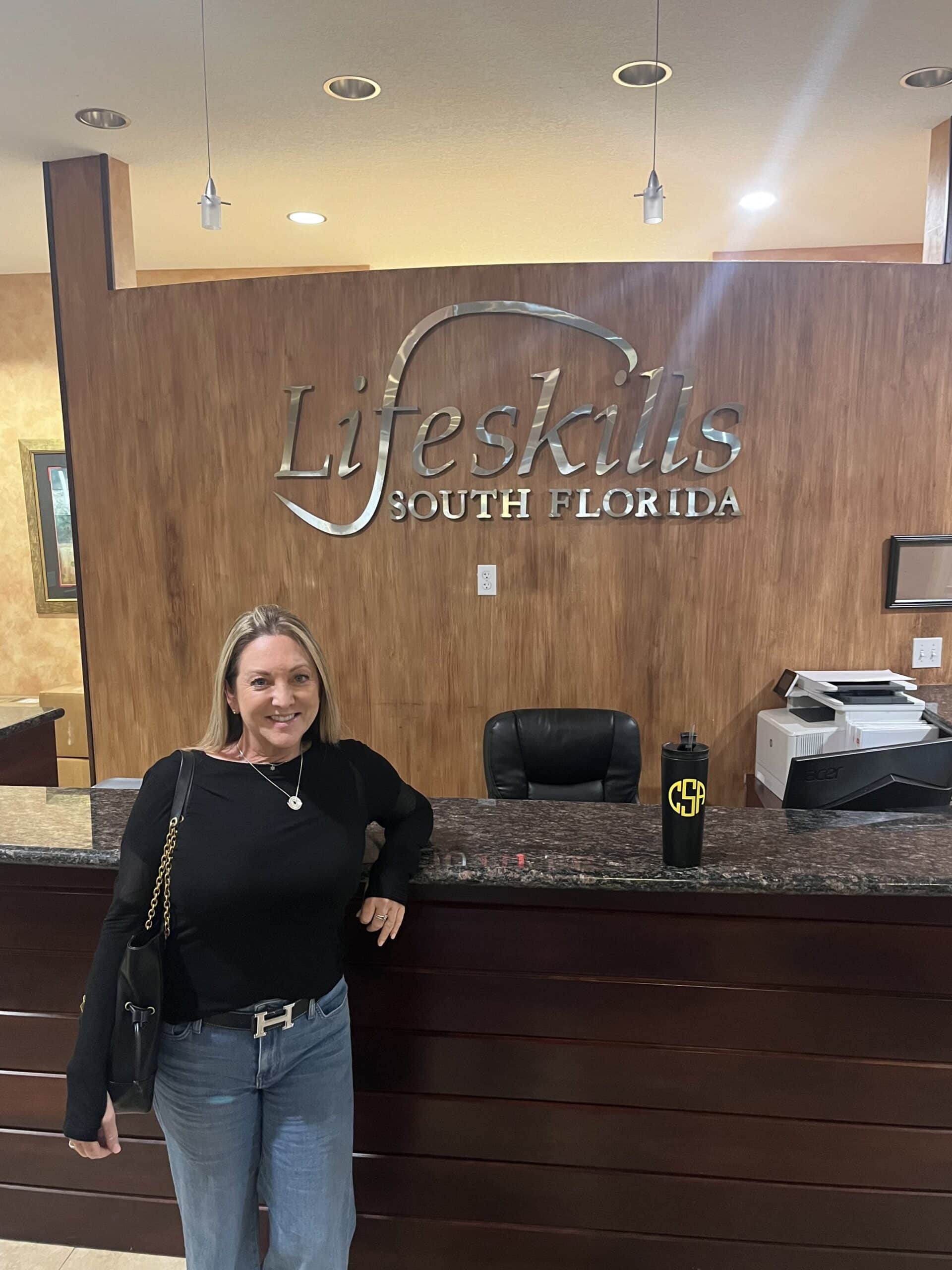

When I think about my experience at Lifeskills, the first thing I can say is that it saved my life. I was 48 years old when I finally admitted that I couldn’t do this anymore. I wasn’t showing up to work, I didn’t like the person I had become, and I knew I needed help. But my journey to Lifeskills had started many years before.
Growing up, I was an only child in a loving family. From a very young age, I remember feeling uncomfortable in my own skin, like I didn’t fit into the world. I felt like everyone else had received an instruction manual for how to live, and I hadn’t. I didn’t have the tools I needed to cope, so I found other ways to escape reality—food, fantasy, television, and eventually alcohol and drugs.
I was diagnosed with bipolar disorder at 17, and for a long time my illness was well controlled with medication. But as I got older, alcohol and drugs became a much bigger part of my life. What started as occasional partying in my late twenties gradually progressed until I was drinking and using drugs seven days a week.
My mental health episodes became more severe, and my addiction began affecting every part of my life. I experienced periods of depression where I couldn’t get out of bed, couldn’t take care of myself, and was calling out of work every day. I became completely unreliable and my relationships suffered tremendously.
I went through multiple bottoms before I got sober. My marriage ended. I lost friendships. I wasn’t present for my mother’s funeral because I was so consumed by my addiction. Even after my divorce, I continued to destroy romantic relationships. My children saw a version of me that I am not proud of – they witnessed me being Baker Acted the weekend I was supposed to be taking my youngest son to college, again missing out on a significant milestone.
At the time, I didn’t see myself as an alcoholic or drug addict. I thought I was someone with bipolar disorder who needed help regulating my medications. Eventually, though, I reached the point where I told my father, “I need help. I don’t know what to do here.”
That is what led me to Lifeskills.
I agreed to go to treatment but I told my dad I would only stay for a week. The same day I admitted, I ran away from campus. I was 48 years old, an established adult, and I was furious that I had reached a point where I needed residential treatment. I was angry, embarrassed, and resistant. I had convinced myself that I didn’t have a substance use problem and that I was only there because of my bipolar disorder.
Later that day, I returned to Lifeskills and decided that if I was going to be there, I was going to hunker down and do the deal. From the very next day, I showed up to all the groups and started working the program like my life depended on it—because, as I eventually realized, my life really did depend on it.
It took me six weeks to understand the truth about myself and overcome the denial surrounding my addiction. It was during a process group where I had a light-bulb moment. I don’t even remember what the exact trigger was but I ran out of the group, went straight to my counselor Sandy’s office, and said, “Oh my God, I’m an alcoholic and a drug addict” to which she replied, “Now get in here and let’s work.”
And I did.
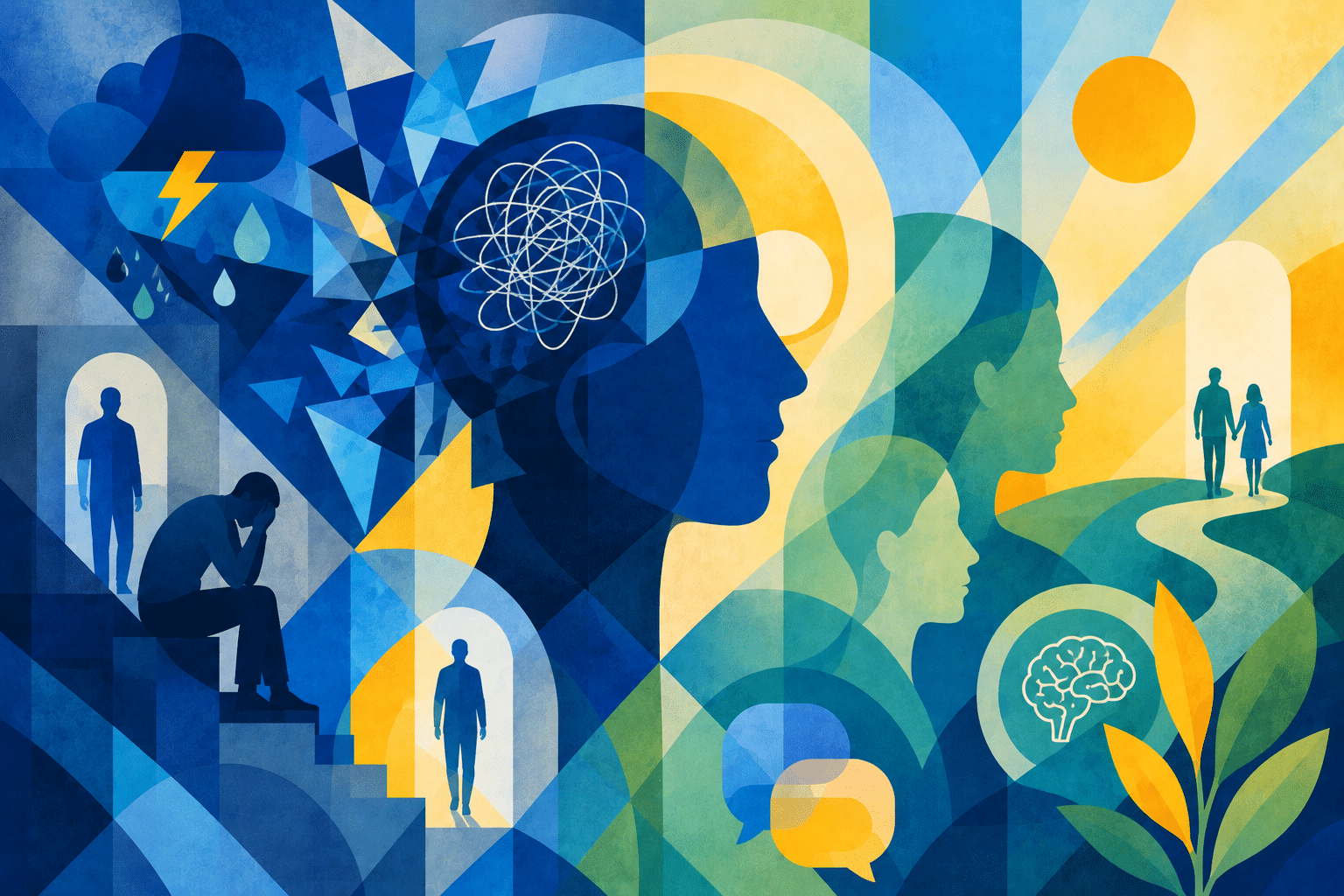
I spent the Remaining six weeks of residential working harder than I ever had before. I learned that being dually diagnosed with bipolar disorder and substance use did not make me a bad person. I was a sick person trying to get well, and I finally had the tools I needed to do that.
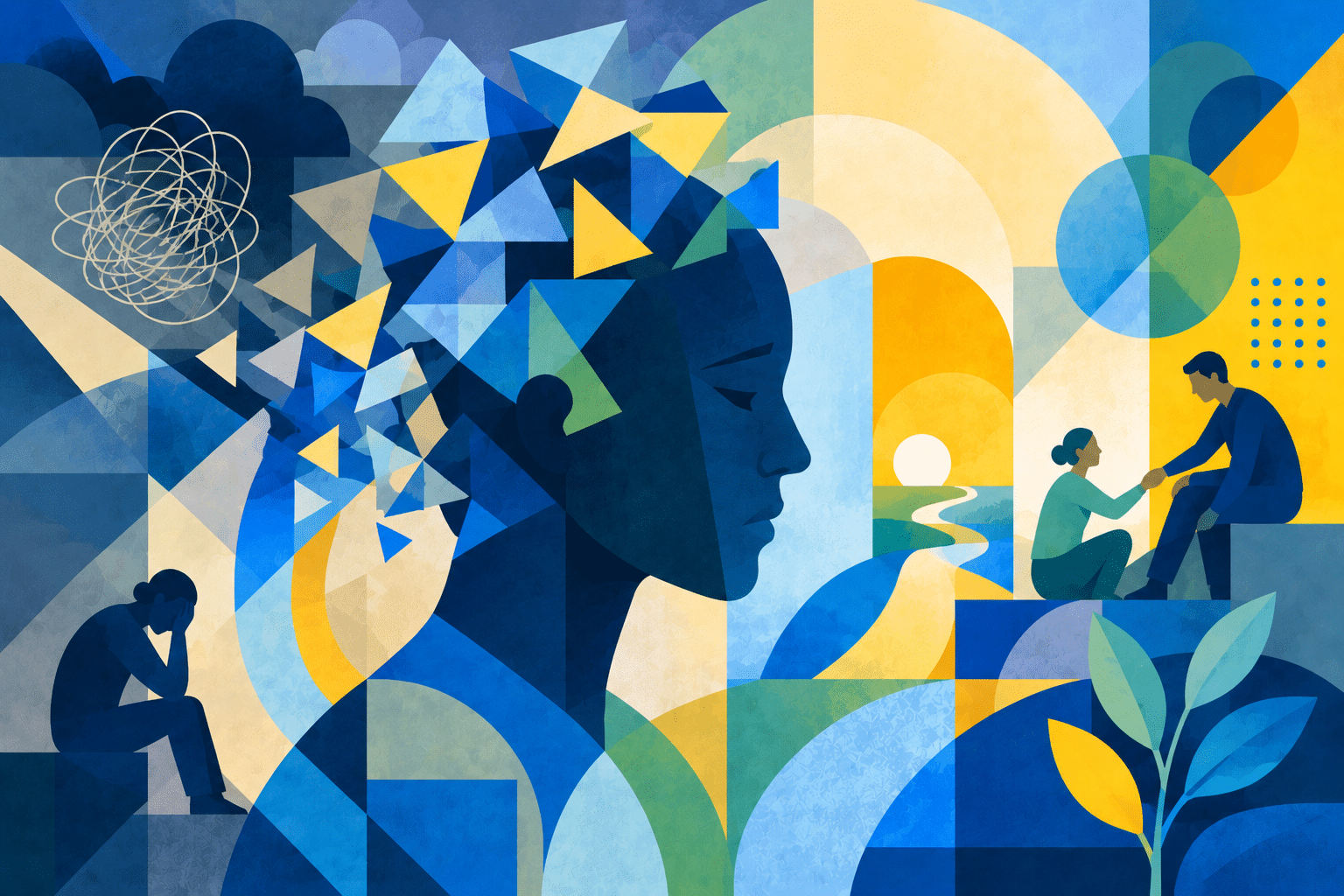
Sandy was an incredibly important part of my journey – she literally walked me through it every step of the way. The family work at Lifeskills has also had a tremendous impact on my life. My father and I had a very codependent relationship, and he had unknowingly enabled my addiction. Through the family sessions, he began to understand the role he played in that. When I came home, he immediately implemented the necessary changes which created a completely different and much healthier relationship between us.
Today, I have been clean and sober since September 22, 2019. My life now looks completely different.
I live the life I should have been living all these years because I can see what I’m doing, I can see how my actions affect other people, and I actually care. The friends who had stopped speaking to me are back in my life. I have a healthy relationship with my father, to the point where we travel together. My children love me to the moon and back and they know they can come to me with anything.
My professional life has changed as well. I went from working for the county to working at a private day school in 2020. I have now been there for years, and I recently experienced something that would have been unimaginable to me in the past: a parent told me how excited her daughters were to have me as their teacher. That was incredibly emotional because I remember being the teacher whose students were begging the principal not to have her because she yelled too much and missed too much work. That was the person I was back then, but I’m not that person anymore.
One of the most important tools I learned at Lifeskills is “playing the tape forward.” When I have a thought about drinking or using, I don’t just think about the first drink or the immediate gratification. I think about what happens next. For me, there is no such thing as one drink. One drink becomes more drinks, then drugs, then missing work, potentially losing my home and relationships, and destroying the life I have worked so hard to build. I know where that tape ends.
I also continue to work a strong recovery program. I attend AA meetings every day, whether virtually or in person, and I have a community of women I can call when I need support. Recovery has taught me that I don’t have to do this alone.
Being an alum of Lifeskills means being part of something that gave me another chance at my life. I continue to feel incredibly connected to the program and to the people who helped me get here. When Lifeskills calls and asks me to share my story or help in any way, I make every effort to do it because I know firsthand what this place can mean to someone and their family.
For anyone who is afraid of treatment, I would say: have hope.
I know how hard it is to put yourself—or be placed—into residential treatment. It was especially difficult for me because I was an adult with a career, children, and a life that I thought I should have been able to manage. I was angry. I was scared. I ran away.
But I came back and coming back changed everything.
If you are struggling, or if you have a loved one who is struggling, don’t give up hope. You may not understand what is happening right now, and you may not believe that your life can change. I certainly didn’t. But recovery gave me a life I couldn’t have imagined when I was sick.
Lifeskills was a gift and a blessing to me. I don’t know where I would be today without Lifeskills and AA. I genuinely don’t know if I would be here.
Today, I am grateful. I am present. I am reliable. I have meaningful relationships. I have a career I am proud of. I can show up for my children and my family. And, perhaps most importantly, I can ask myself, “What can I do for somebody else?”
That is a life I never thought I would have.
My life was a mess, but my mess became a message. If sharing that message can give even one person hope, then everything I went through has a purpose.
Have hope, know that your life can change and know that you don’t have to do it alone.