
Marchman Act, Baker Act + Guardianship
Helping loved ones access care when they are unable to seek it themselves.
When Caring Involves Stepping In
Advocating for a loved one is never an easy decision. With proper guidance and support, the Marchman Act, Baker Act, or legal guardianship can provide a pathway to safety, stability, and the care they need.

What Is the Marchman Act?
The Marchman Act is a Florida law that empowers families and healthcare professionals to seek court-ordered assessment and treatment for individuals with severe substance use disorders who are unable or unwilling to seek help voluntarily. When substance use puts someone’s life or safety at risk, this law provides a legal pathway to access clinical stabilization, assessment, and treatment.
At Lifeskills Behavioral Health, we understand that turning to the Marchman Act is rarely a first choice — it’s often a decision made out of deep concern for a loved one’s safety. For families facing crisis, it can be a critical tool for protecting a loved one’s health and future.
To qualify for involuntary assessment under the Marchman Act, an individual must:
• Exhibit signs of substance use impairment
• Have lost control over their substance use
• Present a danger to themselves or others
• Be unable to recognize their need for treatment
• Refuse voluntary treatment options
What Is Guardianship?
Removing someone’s legal rights and personal choices is never an easy decision, and terms like “conservatorship” have entered the American lexicon in recent years in a decidedly negative light. However, when someone endangers their health or life or poses a risk to others, it may become necessary for loved ones to step in.
Guardianship occurs when a person loses or relinquishes some or all of their civil rights, and those rights are assigned to another person to act on their behalf. Guardianships must be individualized to the person’s abilities and needs and should not be more restrictive than necessary. While there are many types of guardianship under Florida law, Lifeskills provides clinical support for individuals with a guardian advocate receiving mental health treatment.
What Is the Baker Act?
The Baker Act is a Florida law that enables emergency mental health intervention when someone may be at risk of harming themselves or others. It provides a legal pathway for individuals in crisis to receive immediate psychiatric evaluation, stabilization, and care — even if they’re unwilling or unable to seek help voluntarily.
At Lifeskills Behavioral Health, we guide individuals and families through this complex process with clarity and professionalism. Whether it is understanding rights under the Baker Act or navigating next steps after a hospitalization, our experienced clinical team is here to ensure safe, respectful access to crisis mental health services.
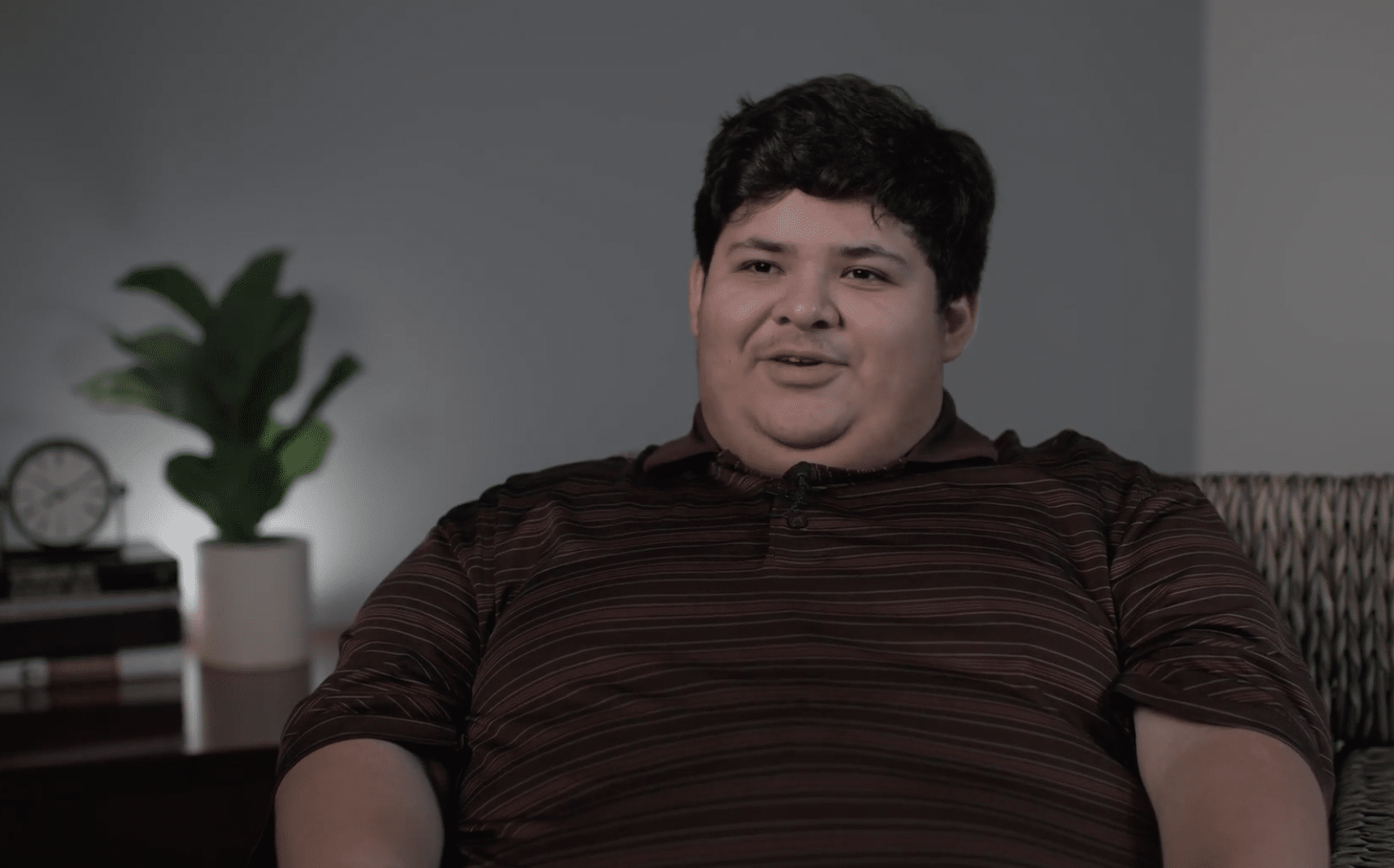
Listen to One Man’s Experience. Watch a former client share how the Baker Act became a turning point in his mental health journey and a crucial step toward getting the care he needed.
Legal Resources for Families Navigating the Marchman Act + Baker Act
Navigating the Marchman Act or Baker Act often requires legal guidance alongside clinical support. The following trusted legal providers work alongside the Lifeskills clinical team to help families access the care their loved ones need.
Marchman Act | Richard J. Casey
Guardianship | Richard J. Casey
The Lifeskills Difference
Expert Treatment
Lifeskills’ specialized clinical pathways are the foundation of our evidence-based treatment. Each pathway is led by a doctoral-level or licensed clinician with advanced national certifications, bringing expert oversight to every stage of care.
Collaborative Care
Lifeskills takes a collaborative approach to mental health treatment, working closely with clients, their families, and external providers to develop individualized treatment plans that respect each person’s cultural, spiritual, and personal background.
Frequently Asked Questions About the Marchman Act + The Baker Act
What is the difference between the Marchman Act and the Baker Act?
The Marchman Act and Baker Act are both Florida laws that allow for involuntary assessment and treatment, but they address different types of crises. The Marchman Act applies specifically to substance use disorders — it allows families and healthcare professionals to petition for court-ordered assessment and treatment when an individual is unable or unwilling to seek help voluntarily. The Baker Act applies to mental health crises — it enables emergency psychiatric evaluation and stabilization when someone poses a risk of harm to themselves or others. Both laws are designed to protect individuals in crisis and provide a legal pathway to care.
How do I initiate a Marchman Act petition in Florida?
To initiate a Marchman Act petition in Florida, a family member, healthcare professional, or law enforcement officer can file a petition with the court in the county where the individual resides. The petition must demonstrate that the individual meets the qualifying criteria — including evidence of substance use impairment, loss of control, and danger to themselves or others. Lifeskills’ clinical team can provide guidance and support throughout this process. Contact our team at 866.936.3142 to speak with an experienced admissions specialist.
What happens after a Baker Act is initiated?
Once a Baker Act is initiated, the individual is transported to a receiving facility for an involuntary psychiatric examination lasting up to 72 hours. During this time, a licensed mental health professional assesses the individual’s condition and determines the appropriate next steps, which may include voluntary or involuntary inpatient treatment, outpatient care, or discharge. Lifeskills can help families navigate the steps following a Baker Act, including transitioning to appropriate levels of mental health treatment.
Can Lifeskills accept clients who have been Baker Acted or Marchman Acted?
Yes. Lifeskills Behavioral Health has extensive experience working with individuals who have been Baker Acted or Marchman Acted. Our clinical team is equipped to manage complex, high-acuity presentations and works closely with families and referring professionals to ensure a safe, well-coordinated admission. Contact our admissions team at 866.936.3142 to discuss your loved one’s specific situation.
What is a guardian advocate in Florida?
Yes. Lifeskills Behavioral Health has extensive experience working with individuals who have been Baker Acted or Marchman Acted. Our clinical team is equipped to manage complex, high-acuity presentations and works closely with families and referring professionals to ensure a safe, well-coordinated admission. Contact our admissions team at 866.936.3142 to discuss your loved one’s specific situation.
How can Lifeskills help families navigating these legal processes?
Lifeskills’ experienced clinical and admissions team is available to guide families through the Marchman Act, Baker Act, and guardianship processes in Florida. We provide clear, professional guidance on next steps, clinical alignment, and admission logistics — so families can focus on their loved one rather than navigating a complex legal system alone. Call us at 866.936.3142 to speak with a member of our team.
Take the first step toward a brighter future.
Lifeskills offers evidence-based treatment for mental health, substance use, and co-occurring disorders across Florida. Contact the admissions team to request a confidential assessment — the first step toward lasting recovery.
Your privacy is our priority. All communication is completely confidential.