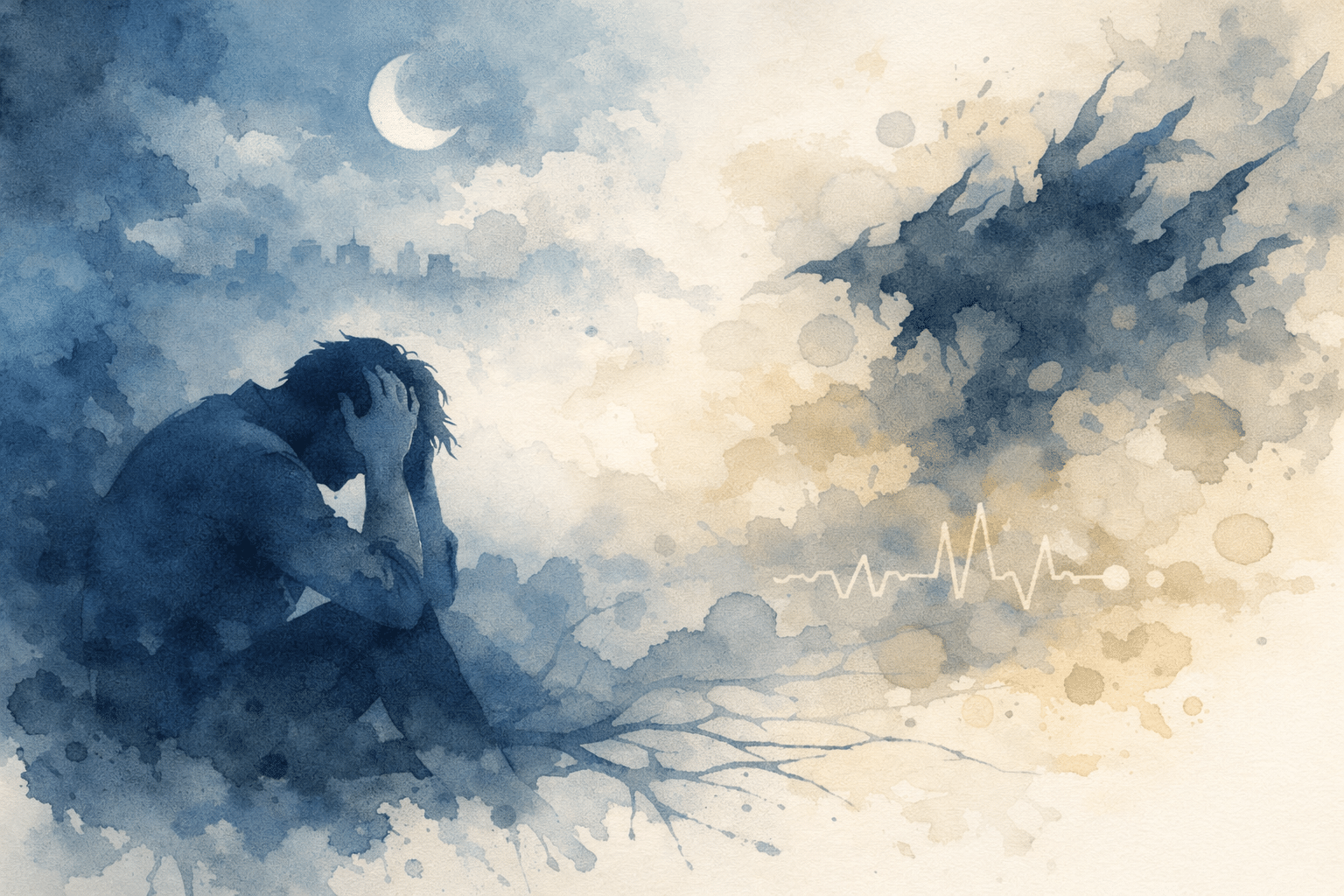
Before I arrived at Lifeskills, my life felt like it was unraveling. Emotionally, I was a wreck. I clung to anyone who would listen, relying on others to keep me afloat. I didn’t have many relationships, but the few I did have, I held onto tightly. I was working, but depression made it nearly impossible to show up every day. I felt hopeless, lost, and disconnected from the person I used to be.
Three things pushed me toward Lifeskills: years of chronic pain, the need to stay local for medical appointments, and, maybe most honestly, the fact that my life had simply become unmanageable.
My First Stay – and Leaving AMA
The first time I came, I wasn’t ready. The groups were interesting, but I couldn’t connect yet. When my chronic pain flared, and I couldn’t attend groups, I convinced myself there was no point in staying and left AMA.
But Lifeskills didn’t hold that against me.
Returning to Lifeskills – and Actually Showing Up
When I came back, Lara, who handled my admission the first time, was patient, kind, and helped me feel safe enough to consider residential treatment.
What stood out to me during intake was how seen I felt. No one rushed me. No one minimized my pain, my fear, or my religious needs. As an observant Jew, entering a treatment center often comes with barriers. But Lifeskills understood the importance of kosher observance and supported me without hesitation. They helped me get pots, pans, a convection oven, whatever I needed to care for myself. They treated my religion not as an inconvenience, but as part of my identity.
My family was deeply supportive, and family therapy – especially with Dr. Darren – became a lifeline. He helped create safety, clarity, and understanding in ways I didn’t even know I needed.
My second stay was different because I was different.
This was the first time I showed up 100%. I knew this had to be my last round of treatment. I promised myself I would do the work, even the painful, uncomfortable parts.
Finding My Place and Finding Myself
Life at Lifeskills had its challenges, but the staff, from techs to therapists, made sure I felt supported. Women’s Trauma Process with Despina changed me. It was a small group of women, all carrying heavy histories, learning to hold one another up. I learned to stop hiding from myself.
When I moved to PHP, the trauma felt less overwhelming, though still raw. My therapist, Amy, was the steady hand I needed; compassionate, patient, and unshakably present. She helped me stop letting my past dictate my future. It was an added plus that she ran the woman’s trauma group; she came weekly with lessons and ideas to help us all to no longer feel controlled by our past.
And then there was Rabbi Gaines. As a religious Jew, having someone who understood my world mattered. At first, I was hesitant as he hadn’t been there during my first stay, but he quickly became one of the most grounding parts of my experience. He helped me bridge the gap with faith in a way that made healing feel possible. He even joined my care team at times to help everyone communicate across cultural and spiritual gaps.
What I didn’t expect was to rediscover a part of myself I had forgotten: my love of martial arts. Because of chronic pain, I had stopped training years earlier. With Rabbi Gaines, who also happened to study various martial arts, I was able to practice again. Forms, punches, kicks – it came back like muscle memory. It reminded me that healing isn’t only about DBT skills or therapy; it’s also about remembering who you are outside your pain.
What Treatment Looked Like Behind the Scenes
While I was still in PHP, I decided to stop hiding from my friends what was really going on in my life. I was tired of carrying it quietly. I wanted to share honestly, both for myself and for anyone who might feel alone in their own struggle. Here is an excerpt from what I wrote at that time:
“160 days ago, I checked myself into Lifeskills to get help. I had no idea what the journey I was about to begin would be like. I’d been in treatment before, and I thought I understood what to expect – but I was wrong. I had to throw out everything I thought I knew and start over.”
When I shared this publicly, the response was overwhelming. People came up to me to say they connected with my words. Others shared their own experiences with chronic pain or mental health and told me my honesty helped them feel less alone. It made me realize how important it is to normalize talking about these things – pain, trauma, recovery – instead of hiding them.
I also wrote something else during that time that still feels true today:
“Recovery isn’t a straight line. A little over a month ago, a flare in my chronic pain pushed me into a really difficult emotional place. I reached out to my therapist because the feelings were too strong to sit with alone. The next day, my team recommended stepping up to a higher level of care – not because I failed, but because I needed more support.
My third Lifeskills coin isn’t just a milestone – it represents the night I chose to reach out instead of retreat, the day I accepted more support, and the strength it takes to keep moving forward even when the path shifts.”
Looking back, I see how every setback taught me something essential about myself. Recovery didn’t move the way I expected, but it moved me exactly where I needed to go.
Life After Lifeskills
I am healthier than I have ever been. I’m moving forward slowly and intentionally, practicing the skills I’ve learned, and continuing to build a life that I love.
One of the biggest gifts Lifeskills gave me was connection. Even now, as an alum, I feel part of a family. The Lifeskills community doesn’t care about your religion, race, challenges, or setbacks. Once you’re part of it, you’re never alone.
I even started a Jewish support group, at a time when many felt heightened scrutiny and emotional pressure simply for being Jewish, it became clear that we needed a place where we could show up as ourselves—fully, honestly, and without explanation. Whether you’re an alum, a family member, or a friend of the community, this is a place to grow and feel supported alongside others who understand the unique challenges of being Jewish today.
What I Want Anyone Who’s Struggling to Know
If you take nothing else from my story, hear this:
You are not alone.
Lifeskills wasn’t the first treatment center I tried—but it was the place that was ready to take a second chance on me, even after I left AMA. And when I was finally ready to take a chance on myself, everything changed.
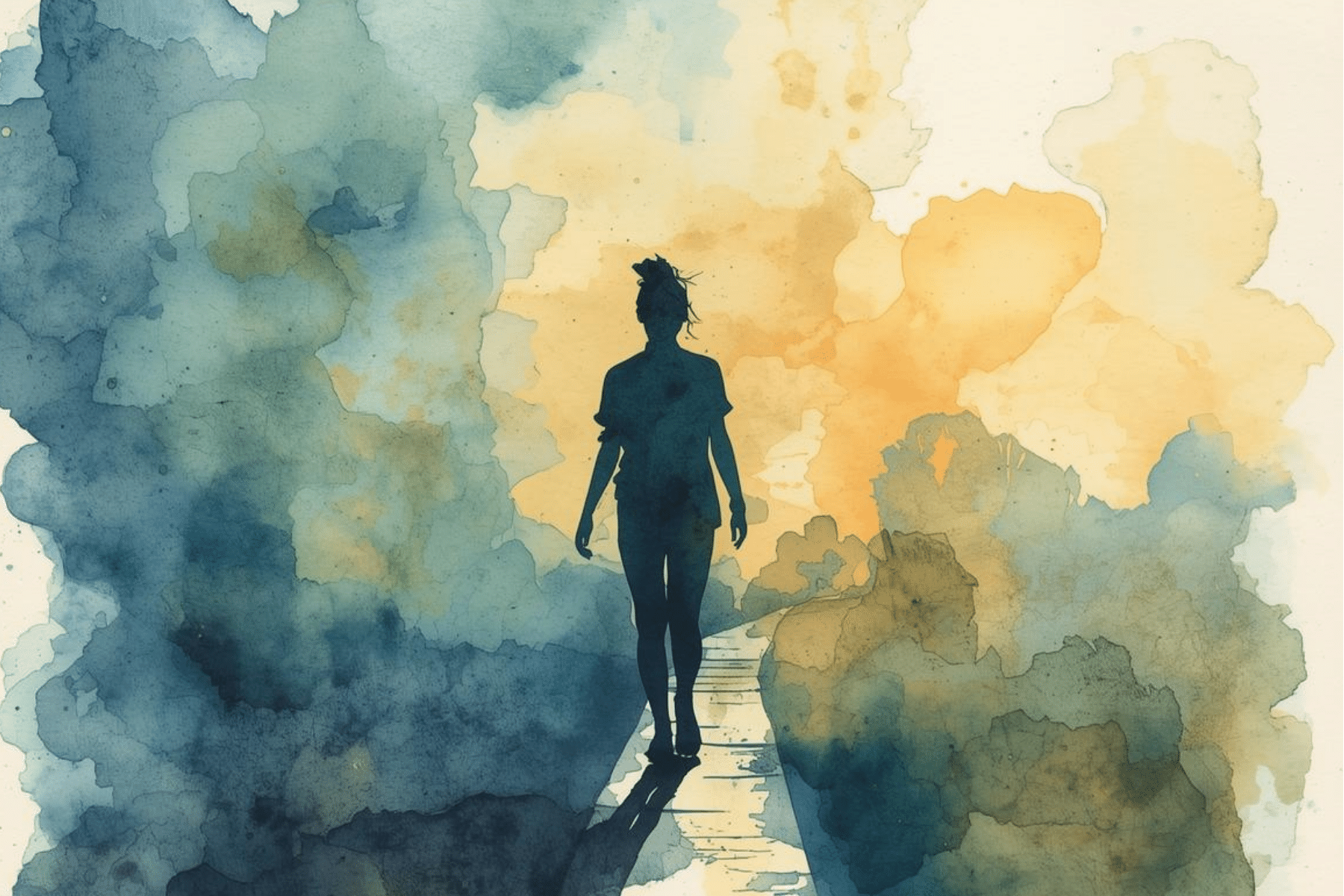
I walked into Lifeskills hopeless. I walked out ready to take on the world.
If you’re scared to ask for help, that’s okay. I was, too.
If you’re unsure whether treatment will work, that’s okay. I was, too.
If you think you’ve failed because you need a higher level of care again, trust me—you haven’t failed.
Healing isn’t about getting it right the first time.
It’s about choosing, over and over, not to give up on yourself.

Baila B.