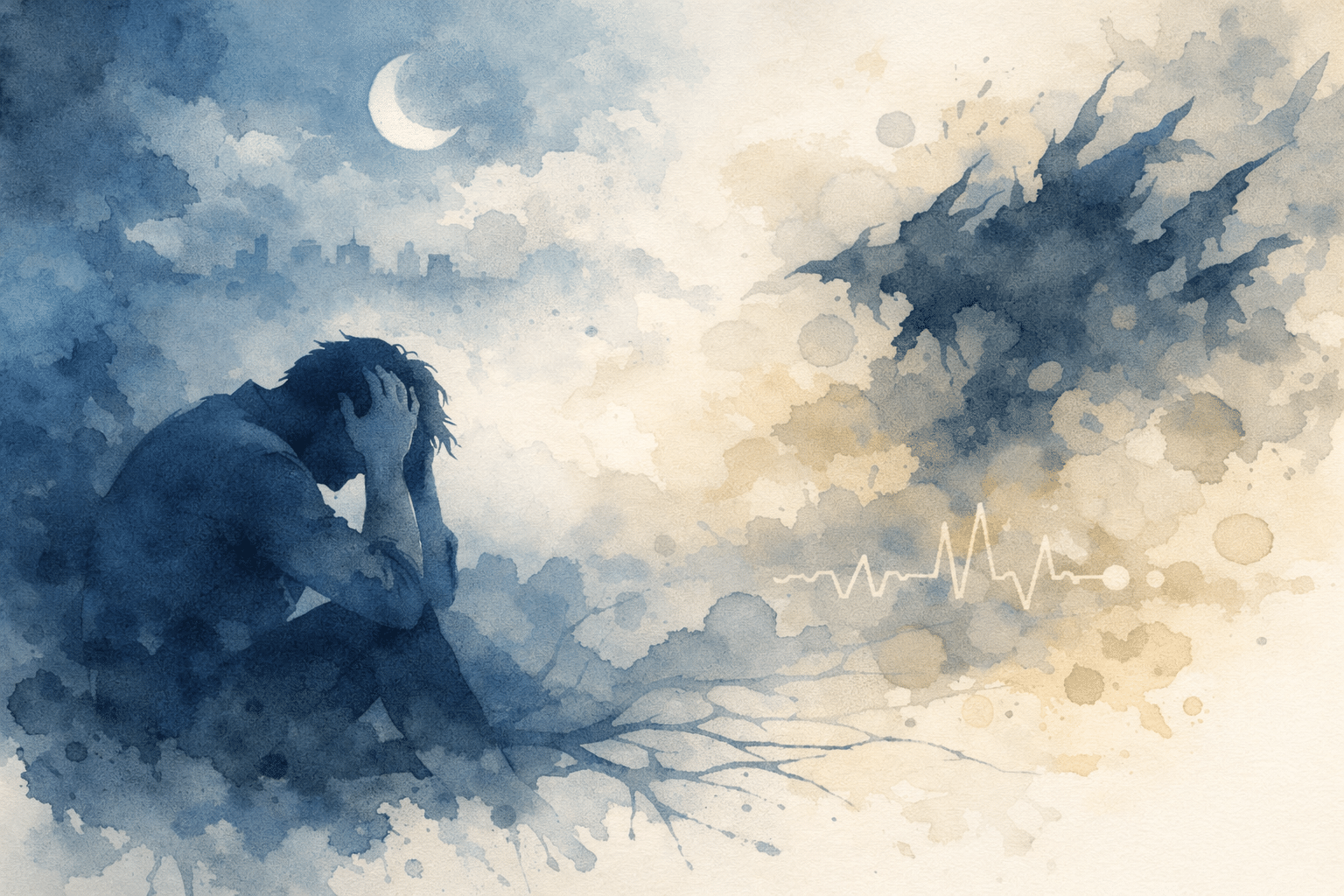
As is the case with many, I’ve been on an extensive, complicated journey through the world of mental health for a number of years. My journey began around 2018 with the onset of a low-grade depression that I mislabeled as burnout from high school classes. I woke up most mornings feeling jaded and without purpose; eventually, these feelings evolved into suicidal thinking. Like a fish in water, I thought these were somewhat normal feelings for someone my age, but the intensity and frequency of those darker thoughts were anything but normal. My parents encouraged me to connect with a therapist who I subsequently saw for nearly six years. He supported me through my remainder of high school, my mom’s terminal cancer diagnosis, the COVID-19 pandemic, and starting college.
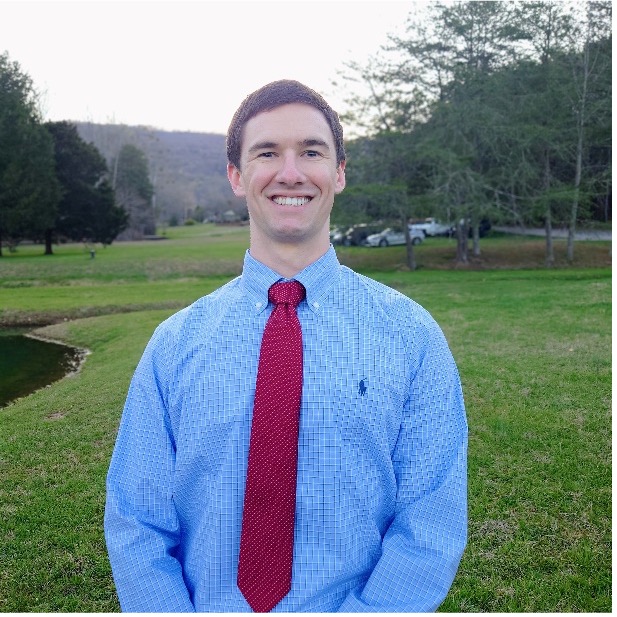
Luke S.
Before Treatment
Jumping forward to 2023, I underwent brain surgery in March and decided—without consulting my psychiatrist—to stop taking all of my medications afterwards. My new core belief was that the brain surgery “fixed” my mental health problems, which had no feasible explanation prior to discovering that abnormal growth in my left frontal lobe. While I did fine for the rest of the year, when I started to experience panic attacks and spells of depression again, I could not accept my reality. I started sleeping nearly twenty hours a day, did not eat more than cereal, quit showering and brushing my teeth, and wallowed in my apathy. I withdrew from college in December and was placed into a PHP program starting in February 2024.
My thinking was distorted and entirely fatalistic by this point. If brain surgery and none of the prior treatments I sought could alleviate my depression, I thought nothing else could. I concluded that everything would be better if I was no longer alive. On March 13, 2024, I attempted suicide, and I woke up in the ICU two days later without memory of what happened. While I was still hospitalized, the PHP program I had been in recommended a higher level of care, and it was then that I learned about Lifeskills. The following Sunday, my parents and I booked flights down to Fort Lauderdale and I was admitted to FTL residential on Monday, March 18th.
Treatment at Lifeskills
The most insidious aspect of treating depression is that it does not want the mind nor the body to heal. It often lies to you, saying that you are a burden, you do not deserve to be in treatment, things are fine as they are, and you are not worth the air you breathe. Although I was not actively resisting treatment, I was not setting myself up for success either. My therapist, James Frazier, recognized this and helped me set incredibly small goals: going to one group or spending just five minutes outside. As soon as I was able to do these things, working towards larger goals felt a little less impossible. Alongside the CBT and ACT work I did with James, the psychiatrist on staff, Dr. Campo, began trialing new medications for mood and sleep. I even started going to the in-house AA/NA meetings on weeknights, despite having no history of substance use, in order to connect with other clients and hear their stories.
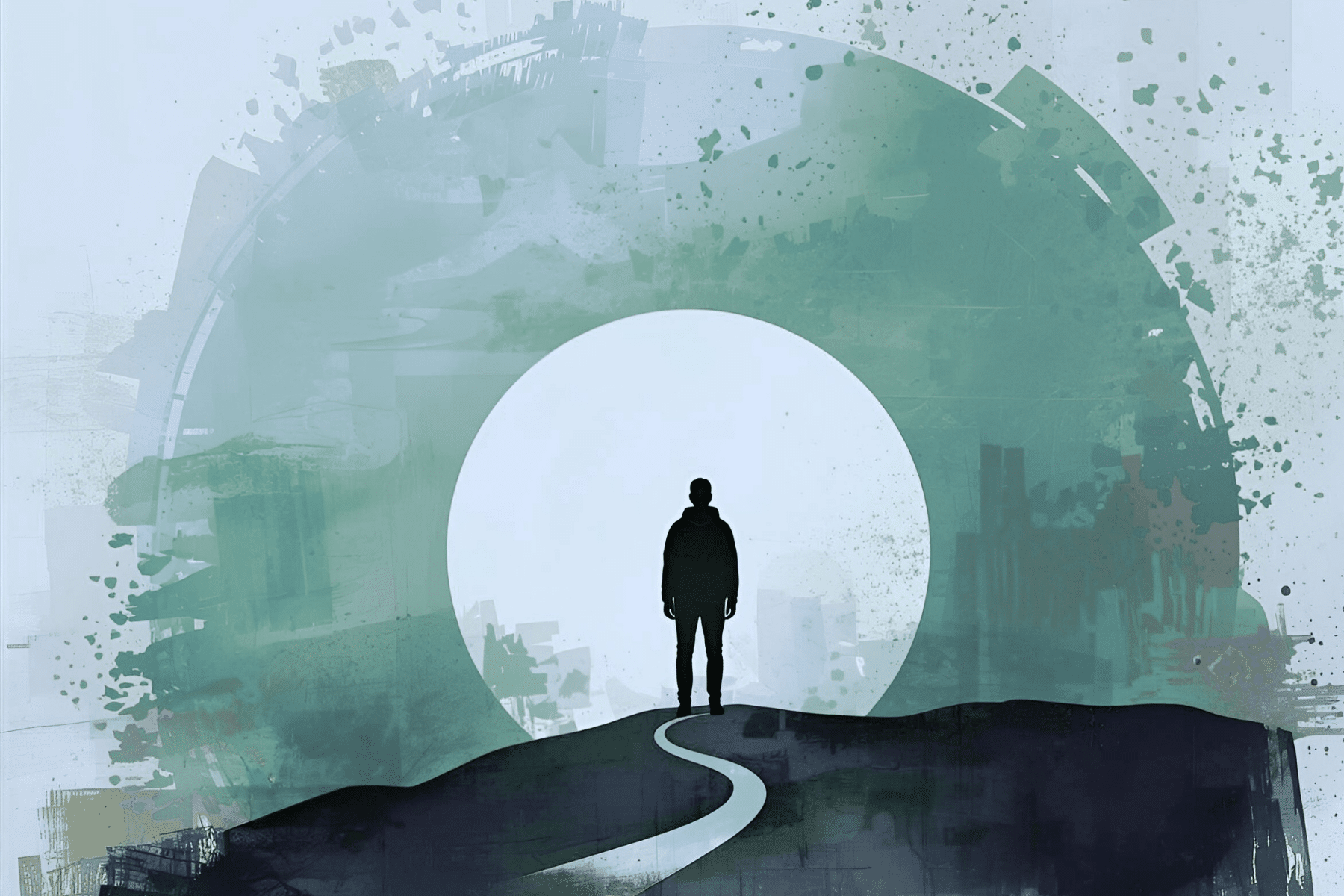
I would be skeptical of anyone whose recovery was perfectly linear, as mine was not. Not every medication we tried worked. Sometimes groups didn’t resonate. I didn’t always do the homework James gave me between sessions. But over time, to my depression’s dismay, I did get better. I stopped seeing the light at the end of the tunnel as an oncoming train and instead as hope for my future. My turning point in treatment was beginning a new medication, an antidepressant for treatment-resistant MDD, and finishing ECT in September. I moved to the Delray PHP/IOP location by mid-October, eager to finish treatment and start back at college the following spring. It was amazing getting to see all of the clients I knew from FTL again, but I had to remind myself that I was in treatment to get better and get out. By Christmas, I was back home again, feeling like a completely different person. I experienced a wider range of emotions, I took excellent care of my hygiene, and I had so many things I wanted to do and friends to see.
Life in Recovery
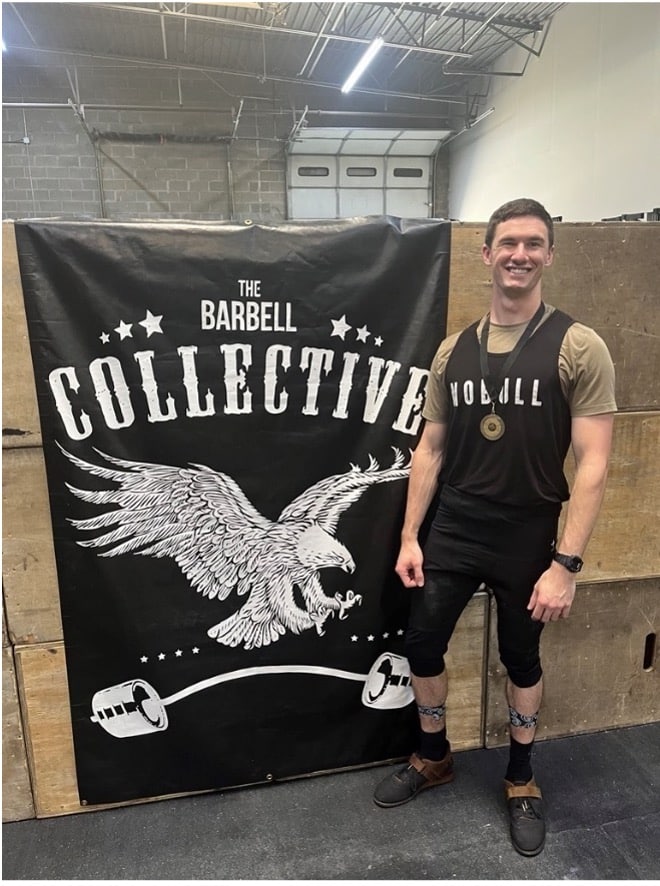
Today, I am in college and majoring in math with a minor in education. I like to paint miniatures for tabletop boardgames as well as build mechanical keyboards. This past July, I competed in a local weightlifting competition, and my next is towards the end of October. I take every opportunity I can to visit with my friends at home: playing disc golf, going bouldering, or getting food out. As an older college student, I have the opportunity to show up for some of the younger students, which can be deeply rewarding when my own experience becomes relevant. I am stable on my medications and still go to therapy each week. I can proudly declare that I am a full and active participant in my own life.
Advice from Luke
I suppose I should also give some advice to current clients in treatment:
- Treatment is what you make of it. If all you do is sleep during groups and remain guarded around your therapist, you can expect commensurate results. But if you enter and decide your time at Lifeskills will be your last time in treatment, you can manifest that reality.
- Resilience is a key ingredient for living. By waking up each morning and putting your feet on the ground, you are choosing resilience. Life outside of treatment is very real and very strenuous at times. How you choose to handle it will largely affect the outcome.
- Don’t neglect the mundane. There is nothing glorious about brushing your teeth, making your bed, taking your medications, putting on your clothes, or doing the dishes. Yet doing simple things like these sets you up for a good day. Don’t forget about them.
- Be spiritual. The Alcoholics Anonymous program self-describes as a spiritual program, not a religious program. Whether you find yourself to be religious or not, disciplines such as gratitude journals, prayer to a higher power, and serving others go a long way in feeling fulfilled and connected.
- You are not weak for needing help. In fact, asking for help when you need it is one of the bravest things you can do. You do not need to have it all figured out; just take the first step towards recovery, and the rest will follow.