
Key Takeaways
- Panic attacks and anxiety attacks differ in onset, intensity, and how long symptoms last.
- Panic attacks are clinically defined, while “anxiety attack” is an informal term, not a formal diagnosis.
- Panic attacks strike suddenly and peak within minutes; anxiety symptoms build gradually and may persist for weeks or months.
It happens to many people — the heart races, the chest tightens, and a wave of dread arrives without warning. In those moments, it can be hard to know whether what you are experiencing is a panic attack, an anxiety attack, or something else entirely. People often use the terms as if they mean the same thing, but they describe meaningfully different experiences.
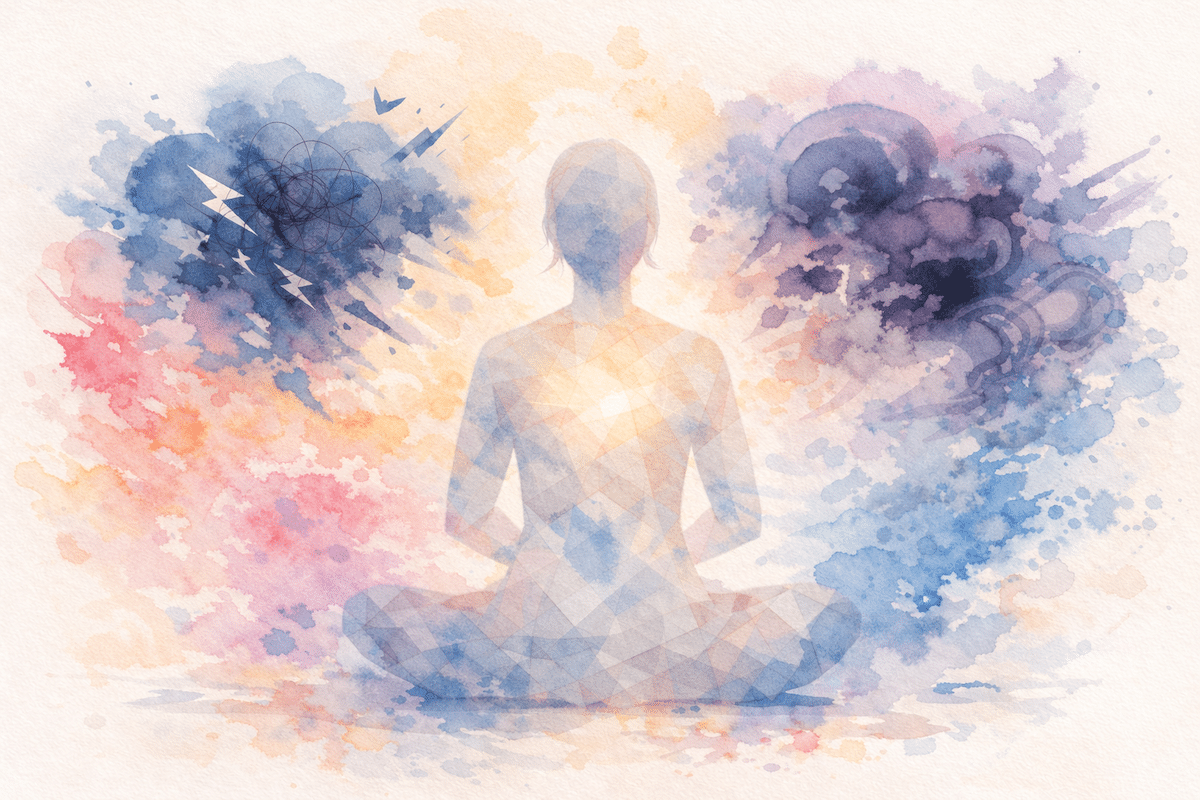
A panic attack is a sudden, intense surge of fear that peaks within minutes and may occur without a trigger. An anxiety attack is not a formal medical diagnosis and usually refers to anxiety that builds gradually in response to stress. The key differences are onset, intensity, and duration.
For adults across Florida, Lifeskills Behavioral Health works with individuals navigating anxiety, panic disorder, and related conditions — helping them understand their symptoms and find a path toward lasting stability.
What’s the Difference Between a Panic Attack + an Anxiety Attack?
A panic attack is a clinically defined episode — a sudden, intense surge of fear or physical discomfort that peaks within minutes and may occur without any obvious trigger. An anxiety attack is an informal term, not recognized in the DSM-5-TR, the clinical guide used by professionals worldwide to diagnose mental disorders. People use it to describe escalating anxiety that typically builds in response to a stressor and fades as the situation resolves. The two differ most in their onset, intensity, and duration.
What Is a Panic Attack?
A panic attack is a sudden, intense episode of fear or discomfort that reaches a peak within minutes. According to the National Institute of Mental Health, panic attacks are the hallmark feature of panic disorder — though they can also occur alongside other anxiety disorders, trauma-related conditions, and sometimes with no psychiatric diagnosis at all.
Clinicians use the DSM-5-TR to identify panic attacks, and experiencing four or more of the following symptoms during an episode meets the diagnostic threshold.
Physical symptoms include:
- Racing or pounding heartbeat
- Shortness of breath or feeling smothered
- Chest pain or pressure
- Trembling or shaking
- Sweating
- Chills or hot flashes
- Dizziness, lightheadedness, or faintness
- Nausea or stomach distress
- Numbness or tingling
Psychological symptoms include:
- Derealization – a feeling of unreality or detachment from surroundings
- Depersonalization – a feeling of being detached from oneself
- Intense fear of losing control
- Fear of dying
How Long Does a Panic Attack Last?
Panic attack symptoms typically peak within 10 minutes. Most episodes resolve within 5 to 20 minutes, though some may last longer. Some people experience multiple attacks in succession, making it difficult to identify where one ends and the next begins.
Known triggers can bring on expected panic attacks, or panic attacks can strike unexpectedly without any recognizable cause. Unexpected attacks are often the most distressing, because the unpredictability itself becomes a source of fear. Over time, that fear can lead to avoidance behaviors that significantly disrupt daily life.
What Is an Anxiety Attack?
Anxiety attack is not a term defined in the DSM-5-TR. Clinicians typically understand it as a description of escalating anxiety — symptoms that build gradually in response to a perceived stressor, rather than arriving in a sudden, discrete episode.
Anxiety symptoms are the diagnostic criteria for several recognized anxiety disorders, including generalized anxiety disorder (GAD), social anxiety disorder, and phobia-related disorders, as outlined by the National Institute of Mental Health. Anxiety disorders affect an estimated 19.1% of adults in the United States each year, according to NIMH data.
Common symptoms associated with what people call an “anxiety attack” can be both physical and psychological.
Physical symptoms:
- Increased heart rate
- Muscle tension
- Fatigue
- Dizziness
- Sleep difficulties
- Restlessness or feeling on edge
Psychological symptoms:
- Excessive worry or fear
- Irritability
- Difficulty concentrating
- A sense that something bad is about to happen
How Anxiety Differs from a Panic Attack
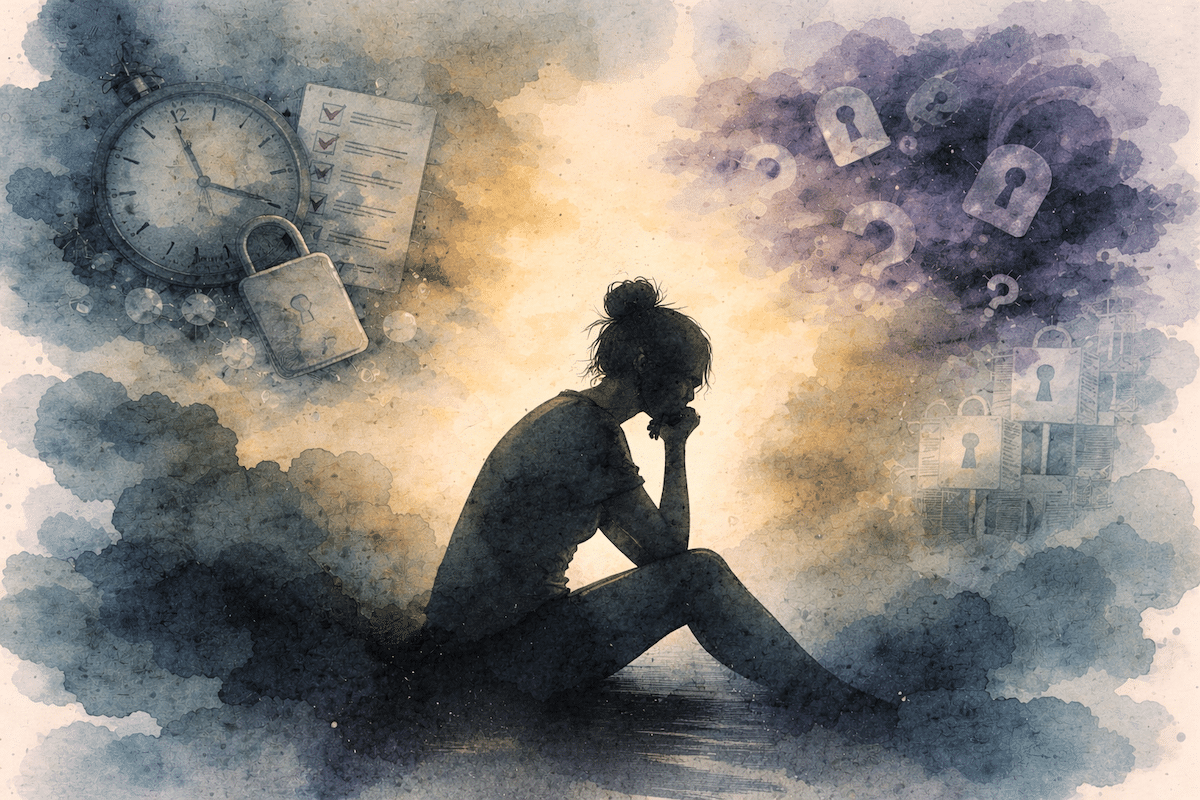
Anxiety symptoms are generally less intense than those of a panic attack, but they tend to last much longer — often weeks or months. Clinicians frequently observe that anxiety worsens over time when left unaddressed. It can affect relationships, job performance, and overall quality of life, even when individual symptoms feel manageable on their own.
Why Panic Attacks Feel So Similar to Anxiety
Many people confuse panic attacks and anxiety attacks because they share several symptoms, including a racing heart, shortness of breath, dizziness, and a sense of fear or dread. However, the underlying pattern is different.
Panic attacks tend to come on suddenly and intensely, while anxiety builds gradually in response to stress, uncertainty, or ongoing worry. Because the physical symptoms overlap, individuals often worry they are experiencing a medical emergency the first time a panic attack occurs.
Understanding these differences can help people recognize what is happening and seek appropriate treatment sooner.
When to Seek Professional Help
Both panic attacks and persistent anxiety are worth taking seriously. A mental health evaluation is especially important when:
- Panic attacks are recurring or occur without a clear trigger
- Fear of another attack is changing how you move through daily life
- Anxiety has persisted for weeks or months and is not improving
- Symptoms are interfering with work, relationships, or personal goals
- You are using alcohol or other substances to manage anxiety or panic
The Substance Abuse and Mental Health Services Administration (SAMHSA) emphasizes that anxiety disorders are among the most treatable mental health conditions — and that early intervention leads to better outcomes.
Treatment for Panic + Anxiety Disorders
Effective, evidence-based treatment exists for both panic disorder and anxiety disorders. A licensed clinician can determine the right approach after a comprehensive assessment of symptoms, history, and individual needs.
Common treatment approaches include:
- Cognitive behavioral therapy (CBT) – Helps identify and shift thought patterns that drive anxiety and panic responses
- Exposure therapy – Gradual, supported exposure to feared situations to reduce avoidance over time
- Medication – SSRIs, SNRIs, or other medications may be recommended for moderate to severe symptoms
- Mindfulness-based approaches – Skills that support present-moment awareness and reduce emotional reactivity
- Integrated dual diagnosis care – For individuals managing co-occurring substance use or other mental health conditions
According to the American Psychological Association, CBT is among the most well-supported psychological treatments for anxiety-related disorders.
Specialized Care at Lifeskills Behavioral Health
At Lifeskills Behavioral Health, our master’s-level clinicians specialize in treating anxiety disorders, panic disorder, and co-occurring conditions — including trauma, depression, and substance use. Through evidence-based, person-centered treatment, clients learn to understand their symptoms, identify triggers, and develop practical coping strategies that support lasting stability and a better quality of life.
Our comprehensive continuum of care includes residential treatment, partial hospitalization, intensive outpatient programs, and transitional living — providing the right level of support at every stage of recovery.
Take the next step. Contact Lifeskills’ caring admissions team today to learn more about treatment options for anxiety and panic disorder. With the right support, recovery is possible — and a more grounded, manageable life can begin.
Frequently Asked Questions
What is the main difference between a panic attack vs anxiety attack?
A panic attack is a clinically defined episode — a sudden, intense surge of fear that peaks within minutes and may occur without any warning or trigger. An anxiety attack is an informal term describing escalating anxiety that typically builds in response to a stressor. Panic attacks are generally more intense and abrupt; anxiety symptoms tend to develop more gradually and last longer.
Can someone experience both panic attacks and anxiety?
Yes, and it is common. Many people living with generalized anxiety disorder also experience panic attacks. Anxiety can create a baseline of tension and worry that, under certain conditions, escalates into a full panic episode. Because these conditions often overlap, a thorough clinical evaluation is the most reliable way to understand what is happening and what treatment approach fits best.
Are panic attacks physically dangerous?
Panic attacks are not physically dangerous, though they can feel life-threatening in the moment. Symptoms like chest pain and shortness of breath can resemble cardiac events, so a medical evaluation is appropriate when these symptoms are new or severe. Once doctors rule out medical causes, the focus shifts to mental health treatment.
How long does a panic attack typically last?
Most panic attacks peak within 10 minutes and resolve within 5 to 20 minutes, according to the National Institute of Mental Health. Lingering fatigue or unease may follow. Recurrent attacks or significant fear between episodes indicate that you should seek professional support.
What should someone do during a panic attack?
Controlled, slow breathing and grounding techniques — focusing on what you can see, hear, or feel in the immediate environment — can help reduce distress during an episode. These strategies are not a substitute for treatment, but they can offer relief in the moment. A clinician can teach additional skills tailored to individual patterns and triggers.
References
- National Institute of Mental Health (NIMH)
- American Psychological Association (APA)
- National Institutes of Health (NIH)
This article references research and guidance from trusted behavioral health and medical organizations, including NIMH, SAMHSA, and the APA.